
By Global Consultants Review Team
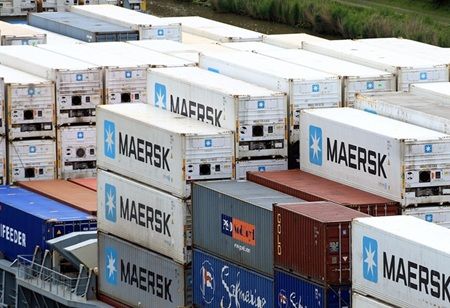
A 40 foot container loaded with automotive parts left Shenzhen on March 3rd aboard a vessel operated by one of the major Asian carriers. The shipper, a German auto components manufacturer with factories in Guangdong, had paid for what their freight forwarder described as full visibility tracking. For the first four days, the container pinged regularly as the ship moved south through the South China Sea, past Singapore, and into the Malacca Strait. Then, somewhere west of Sri Lanka, the updates stopped. The container went dark for nine days. When it reappeared in the tracking system, the vessel was already approaching the Suez Canal, and nobody could tell the shipper anything useful about what had happened during those nine days or whether the cargo had been affected by whatever conditions existed in the Indian Ocean during that period.
This kind of visibility gap is surprisingly common in maritime shipping, an industry that moves around 800 million containers annually and underpins something like 90 percent of global trade. The technology to track containers continuously across oceans exists and has existed for years. Satellite based tracking devices can transmit location and condition data from anywhere on the planet, including the middle of the Indian Ocean, for a cost that works out to maybe 50 or 60 dollars per voyage. The problem is that most containers don't have these devices installed, and most shippers don't pay for the service even when it's offered, which means the default experience for a container crossing an ocean is still a series of port scans with long gaps in between.
The economics are straightforward enough. A standard container tracking device that relies on cellular networks costs perhaps 200 dollars and works fine in port and near coastlines, but goes silent once the vessel moves beyond cell tower range, which happens pretty quickly once you're more than 30 or 40 kilometers offshore. A satellite enabled device costs three or four times as much upfront and requires a data subscription that might run 15 to 25 dollars monthly depending on how frequently you want updates. For a high value shipment or temperature sensitive cargo, those costs are trivial, but for a container of plastic housewares or textile goods where margins are already thin, the shipper often decides that knowing exactly where their cargo is at 2am on a Tuesday in the Arabian Sea isn't worth the extra expense.
The freight forwarders and logistics companies have learned to manage expectations carefully. A supply chain visibility manager at a mid sized European forwarder told me they offer three tiers of tracking service, basic, which means port scans only, which adds cellular tracking that works in coastal waters, and premium, which includes satellite coverage for the full voyage. Maybe 15 percent of their customers pay for a premium. The rest either accept the gaps or don't fully understand what they're buying when the sales team promises visibility. The marketing materials say things like "track your shipment in real time" without specifying that real time means whenever the container happens to be within range of infrastructure that can receive its signal.
A logistics technology specialist at GPSWOX noted that the gap between what shippers expect and what they actually receive has been a persistent problem in the industry. Container shipping grew up in an era when you loaded cargo onto a ship and hoped for the best, and the systems and pricing structures still reflect that history even as customer expectations have shifted toward the kind of continuous visibility that's standard in trucking or air freight. The technology has caught up, but the business models haven't, and until shippers start demanding satellite tracking as a baseline rather than a premium add on, the carriers and forwarders have little incentive to absorb the cost themselves.
The gaps matter more for some cargo than others. The German auto parts company that lost visibility in the Indian Ocean was shipping components that needed to arrive within a specific window to feed a production line in Stuttgart. When the tracking went dark, they had no way to know if the vessel had slowed down, diverted, or encountered weather that might delay arrival. They couldn't adjust their production schedule or arrange alternative supply because they didn't have information. The container arrived five days later than originally estimated, which they only discovered when it finally pinged at Port Said, and by then the production line had already been idled for two days waiting for parts that could have been air freighted from a backup supplier if anyone had known in time.
For refrigerated containers, the stakes are higher still. A reefer unit carrying pharmaceuticals or high value produce has to hold within a pretty narrow temperature band for the entire voyage, sometimes three or four weeks, depending on the route. Nine days without monitoring data means nine days when the cooling system could have failed, the cargo could have spoiled, and nobody onshore would have any idea until the container gets unloaded in Rotterdam and someone opens the doors. Some reefer operators have moved to satellite tracking as standard precisely because the cost of a lost shipment far exceeds the cost of continuous monitoring, but even here, the coverage is inconsistent. A cold chain logistics manager in Singapore told me she still sees reefer containers go dark for days at a time on certain routes, particularly the longer voyages around the Cape of Good Hope, where ships stay far from any coastline for extended periods.
The carriers themselves have been slow to address the problem, partly because the current system works well enough from their perspective. The shipping line knows where its vessels are at all times through the ship's own navigation and communication systems. What they don't necessarily know, and don't necessarily care about, is the status of individual containers in the stack. A vessel might carry 20000 containers, and the carrier's operational concern is getting the ship from port to port on schedule, not providing granular updates on each box to each shipper. The container tracking that does exist is often bolted on by third parties, freight forwarders, and logistics providers who install their own devices and manage their own data platforms, creating a fragmented ecosystem where visibility depends entirely on who you're working with and what you're willing to pay.
Some of the larger logistics companies have started investing in their own satellite tracking infrastructure. Maersk and MSC both offer enhanced visibility products that promise continuous tracking across ocean voyages, though the actual performance varies, and the premium pricing means adoption remains limited to customers shipping high value or time sensitive goods. The technology providers are pushing hard to bring costs down, and there's been real progress over the past few years as satellite networks have expanded and device costs have fallen. A tracking unit that cost 800 dollars five years ago might cost 300 today, and the data transmission costs have dropped by maybe half over the same period.
Whether this leads to universal satellite tracking as a standard feature remains uncertain. The container shipping industry is notoriously resistant to change and operates on margins that make carriers reluctant to absorb any cost that isn't absolutely necessary. Shippers who want continuous visibility can get it if they're willing to pay, but the default experience for most cargo crossing most oceans is still a tracking system that works great in port and near coastlines and then goes quiet for days or weeks at a time. The container that went dark west of Sri Lanka was carrying parts worth maybe 400000 euros. The satellite tracking that would have kept it visible for the entire voyage would have cost less than 100 dollars.
We use cookies to ensure you get the best experience on our website. Read more...